 blog
7 Best Digital Rewards Platforms for Retail Businesses
Last Updated: November 22, 2026
Quick Summary
The best rewards platform for retail businesses connects deeply to your point of sale, keeps per-transaction costs low, enrolls customers in under 30 seconds, and produces data showing which rewards drive repeat purchases. Ovato is built around these four criteria, combining payment processing and loyalty in one system so fee savings offset program cost. Free tiers rarely stay free once you count manual reconciliation labor and missed accruals.
- We scored platforms on six criteria, including POS integration depth, total cost of ownership, and enrollment friction.
- A program that takes two minutes to sign up a customer will not get used during a lunch rush.
- Free tiers often cap active members and can silently stop enrolling new customers once you hit the limit.
- Match the mechanic to purchase rhythm: points suit higher-ticket retail, stamp cards suit frequent visits.
- LoyaltyLion's 2026 report found 85% of shoppers say in-store access to a loyalty program is important.
Table of Contents
- What Separates the Best Digital Rewards Platforms for Retail
- Quick Comparison: Top Rewards Platforms at a Glance
- 1. Ovato: Built for Fee Savings and Local Retention
- 2. Digital Loyalty Programs for Small Businesses: What to Expect
- 3. Free Loyalty Program for Small Business: What You Actually Get
- 4. Digital Loyalty Cards for Business: Points, Stamps, and Memberships
- 5. Best Retail Loyalty Programs: How the Leaders Keep Customers Coming Back
- Integrations, Data Governance, and Measuring Real Impact
- Frequently Asked Questions
What Separates the Best Digital Rewards Platforms for Retail
A digital rewards platform is the software layer that tracks customer spending, issues points or stamps, and turns repeat visits into measurable retention. Choosing the best digital rewards platform for retail businesses comes down to four things: how deeply it connects to your point of sale, what it costs per transaction, how fast your staff can enroll a customer, and whether the data it produces actually tells you which rewards drive repeat purchases.
At Ovato, we built our platform around those four questions. The stakes are real: Zoho Thrive's 2026 loyalty statistics report that 55% of consumers expect reduced prices or better deals, while 24% say they stay more loyal to brands offering the best personalized deals. A rewards program that ignores price sensitivity will underperform one that rewards it directly.
Below, we break down the evaluation criteria, compare the platform categories side by side, and explain what to expect from each tier of loyalty software.
Evaluation Criteria We Used
We scored platforms against six criteria, weighted for retail operating realities:
- POS and ecommerce integration depth. Does the program read transactions automatically, or does staff key in purchases?
- Total cost of ownership. Monthly fees, transaction fees, hardware, and setup time, not just the sticker price.
- Enrollment friction. Seconds to sign up a customer at the counter, and whether an app download is required.
- Reward flexibility. Points, digital stamp cards, membership tiers, and cashback-style offers.
- Analytics quality. Can you see redemption rates, repeat visit frequency, and average order value by segment?
- Data governance. Consent capture, data portability, and what happens to customer profiles if you leave.
Quick Comparison: Top Rewards Platforms at a Glance
| Platform type | Best for | Typical pricing model | Integration depth | Enrollment speed |
|---|---|---|---|---|
| Ovato | Local retail seeking lower card fees plus retention | Varies; request a quote | POS plus digital wallet | Under 30 seconds |
| Entry-level free loyalty tools | Micro-businesses testing the concept | Free tier, paid upgrades | Basic POS or manual | 1-2 minutes |
| Mid-market loyalty software | Multi-location small chains | Monthly subscription plus transaction fees | Native POS and ecommerce | Under 1 minute |
| Enterprise loyalty suites | National chains | Custom contracts | Full API and data warehouse | Varies by setup |
The pattern is consistent: the cheaper the plan, the more manual work lands on your staff. That trade-off is the single biggest hidden cost in loyalty software.
1. Ovato: Built for Fee Savings and Local Retention
Ovato is our own platform, so treat this section as a disclosure as much as a review. Ovato is the next generation of digital loyalty rewards programs.
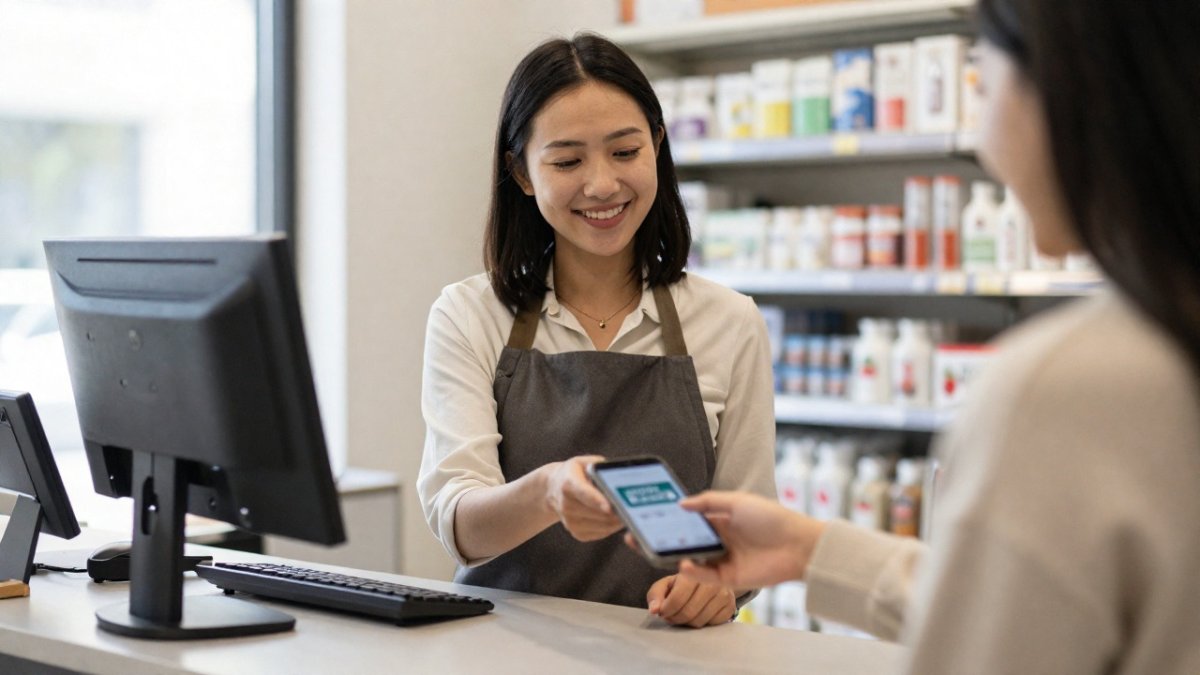
Pricing depends on your transaction volume and setup, so request a quote from Ovato for current pricing.
Pros and Cons
Pros:
- Payment processing and loyalty in one system, so fee savings offset program cost
- No customer app download required at enrollment
- Local-first design: rewards work for a single storefront, not just chains
Cons:
- No public pricing, which slows comparison shopping
- Smaller integration catalog than enterprise suites
Pricing Breakdown
Pricing depends on transaction volume and configuration. Request a quote from Ovato for current pricing.
2. Digital Loyalty Programs for Small Businesses: What to Expect
Digital loyalty programs for small businesses typically deliver three things: automatic points tracking, a customer database you own, and a way to send offers between visits. What separates good from mediocre is whether the program captures customer data at the point of sale without slowing your line.
Most small retailers underestimate the enrollment bottleneck. A program that takes two minutes to sign up a customer will not get used during a lunch rush. Look for SMS or QR enrollment that finishes in under 30 seconds, and confirm the customer profile syncs back to your POS automatically. If it does not, you are running two systems and reconciling them by hand.
3. Free Loyalty Program for Small Business: What You Actually Get
A free loyalty program for small business usually covers points accrual and a basic rewards catalog, then charges for the features that make retention work: segmentation, automated offers, and multi-location reporting. That is a fair model, but the headline price hides the real cost, and most roundups stop at the sticker rather than the total cost of ownership.
Here is what a free tier typically includes and where the ceiling sits:
- Included at no charge: points accrual, a basic rewards catalog, a customer list, and often a branded signup page or QR code.
- Capped or excluded: active member limits, reward types beyond points (digital stamp cards and tiered memberships usually require a paid plan), POS integration, automated campaigns, and multi-location reporting.
- Charged as you grow: per-transaction or per-redemption fees, SMS and email send fees, advanced analytics, and API access.
The Retail Total Cost of Ownership Behind "Free"
A free plan is rarely free once you count the labor and leakage it creates. Build a simple TCO model before you commit:
- Subscription and transaction fees. Add the monthly fee (often $0 on free tiers) plus any per-redemption or per-message charges. A program that charges $0.01-$0.05 per SMS can quietly outrun a paid plan once you message a few thousand members.
- Hardware and setup. Free tiers often require a tablet, a countertop scanner, or a receipt-printer integration. Budget for the device and the staff time to configure it.
- Manual reconciliation labor. If the free tier does not read transactions directly from your POS, staff key in purchases. At a busy counter, that is minutes per shift that compound into hours per month.
- Leakage and missed accruals. Manual entry produces duplicate profiles and missed points, which erodes trust and suppresses repeat visits.
- Migration cost later. Moving off a free tier means exporting members, re-importing balances, and retraining staff. Ask for the export format in writing before you sign up.
A common pattern is that a free tier is a reasonable experiment for testing whether customers respond to rewards at all. If you need a digital stamp card, tiered membership, or spend-based analytics, expect to move to a paid plan quickly. Budget for that transition rather than treating free as permanent, and compare the paid plan's total cost against the free tier's hidden labor and leakage before you decide.
Watch out: free tiers that cap active members can silently stop enrolling new customers once you hit the limit, so confirm the cap and the upgrade path before launch.
4. Digital Loyalty Cards for Business: Points, Stamps, and Memberships
Digital loyalty cards for business come in three formats, and each suits a different purchase rhythm. Points programs reward total spend and work best for higher-ticket retail. Digital stamp cards reward visit frequency and suit coffee shops, bakeries, and quick-service counters. Membership programs charge or gate access in exchange for perks, which builds commitment but raises the bar on what you must deliver.
The mistake we see most often is picking points when the business runs on frequency. A customer who buys a $4 coffee twice a week responds to "ten visits, one free" far more than to a points balance that takes months to mature. Match the mechanic to how often people actually walk in.
5. Best Retail Loyalty Programs: How the Leaders Keep Customers Coming Back
The best retail loyalty programs share one trait: they make the reward visible at the moment of decision. Emarsys's analysis of top retail loyalty programs notes that Starbucks Rewards counted over 34.6 million active U.S. members in Q1 2025, built on a program customers check before they order. Scale helps, but the mechanic is copyable.
Deloitte's research on loyalty programs finds that customized rewards, accelerated earnings, and digital features like real-time tracking appeal more strongly to younger customers. For a small retailer, that means showing the rewards balance in real time and letting customers earn faster on the categories you want to move.
Access matters too. LoyaltyLion's Customer Loyalty in 2026 report found that 85% of shoppers say in-store access to a loyalty program is important, and 82% say the same for websites. If your program only works in one channel, you are leaving enrollments on the table.
Importance of Loyalty Program Access by Channel
Integrations, Data Governance, and Measuring Real Impact
Integration depth decides whether your loyalty data is trustworthy. A program that pulls transactions directly from the POS produces clean customer profiles and accurate rewards balances. One that relies on manual entry produces duplicates, missed accruals, and customers who stop trusting the balance they see. But integration is only half the story: the other half is whether you can migrate onto the platform without disruption and prove the program is actually changing behavior.
POS, Ecommerce, and Omnichannel Data Flow
Omnichannel retail means a customer might buy in store on Tuesday and online on Friday. The program must recognize that as one customer. Ask vendors how they handle identity matching across channels, and test it before you commit. Sales tracking that splits a single customer into two profiles will distort every retention metric you report.
A practical test: enroll a test customer in store, make an online purchase with the same email or phone number, and confirm the balance updates in both directions. If the platform cannot reconcile the two, you will spend staff time merging profiles by hand.
Migration and Implementation Planning
Migration is where most platform switches go wrong, and it is the step product roundups rarely cover. Plan for four workstreams:
- Member and balance import. Export your existing member list, points balances, and tier status in a format the new platform accepts. Confirm in writing that balances will carry over, because customers notice when their points disappear.
- Staff training and rollout. Train counter staff on enrollment and redemption before launch, and run a soft launch with a single store or a single week to catch friction.
- Customer communication. Tell members what is changing, when, and how to keep earning. A short SMS or email sequence reduces confusion and opt-outs.
- Rollback plan. Keep the old system readable for a defined period so you can answer balance questions during the transition.
A common pattern is that migration takes longer than the vendor's sales team suggests. Build in a buffer and assign one internal owner for the project.
Privacy, Consent, and Data Governance
Consent capture is not optional. Confirm how the platform records marketing opt-ins, where customer data is stored, and whether you can export full profiles if you switch vendors. Ask for the export format in writing before signing. Retention and deletion policies matter too: know how long profiles are kept and how a customer can request deletion.
Measuring Incremental Program Impact
The hardest question is whether the program created visits that would not have happened otherwise. A simple method is to compare enrolled versus non-enrolled customers over the same period, matched by recency and average order value. Track repeat visit frequency, average order value, and redemption rate by segment, and look for lift rather than raw totals. Raw totals will always rise with enrollment; incremental lift is what justifies the cost.
Watch out: attributing all purchases by members to the program overstates impact, so compare against a matched non-member group before you report ROI.
Retail loyalty only pays off when the program runs without adding work to your counter staff. Ovato combines digital rewards with payment processing so fee savings and retention move together, enrolls customers in seconds without an app download, and shows repeat visit and redemption data in a dashboard you can read in a few minutes a week. If your current punch card is quietly costing you margin, get started with Ovato and see what your regulars are actually worth.
Frequently Asked Questions
What features should retailers look for in a digital rewards platform?
Prioritize POS and ecommerce integration, so rewards balance and purchase history sync automatically at checkout. Look for points, stamps, and membership options. Check enrollment flow, program analytics, and whether a branded app or digital wallet access is supported. Confirm the platform works where your customers actually shop.
Are there free digital loyalty programs for small businesses?
Several providers offer a free plan or trial period, but free tiers usually cap active members, limit automated campaigns, or exclude deeper POS integrations. A free loyalty program for small business can work well for a single location testing whether customers enroll. Before committing, confirm what happens at the member cap, whether transaction fees apply, and if your customer data stays exportable. Ask each provider directly for current pricing, because terms vary widely.
How do digital loyalty cards for business actually work?
A digital loyalty card replaces the paper punch card with a profile tied to a phone number, email, or app. Customers earn loyalty points or stamps on each purchase, and this also builds customer profiles you can use for personalized offers.
How can a retailer measure whether a loyalty program is working?
Track repeat visits, purchase frequency, average order value, and redemption rate before and after launch, then compare enrolled customers against a non-enrolled control group to isolate incremental impact. Program analytics should show enrollment rate and engagement rate by cohort. Watch retention rate over 90 and 180 days rather than the first month. If revenue growth tracks with repeat purchases from members, the program is earning its keep; if only discounts rise, adjust the reward structure.
